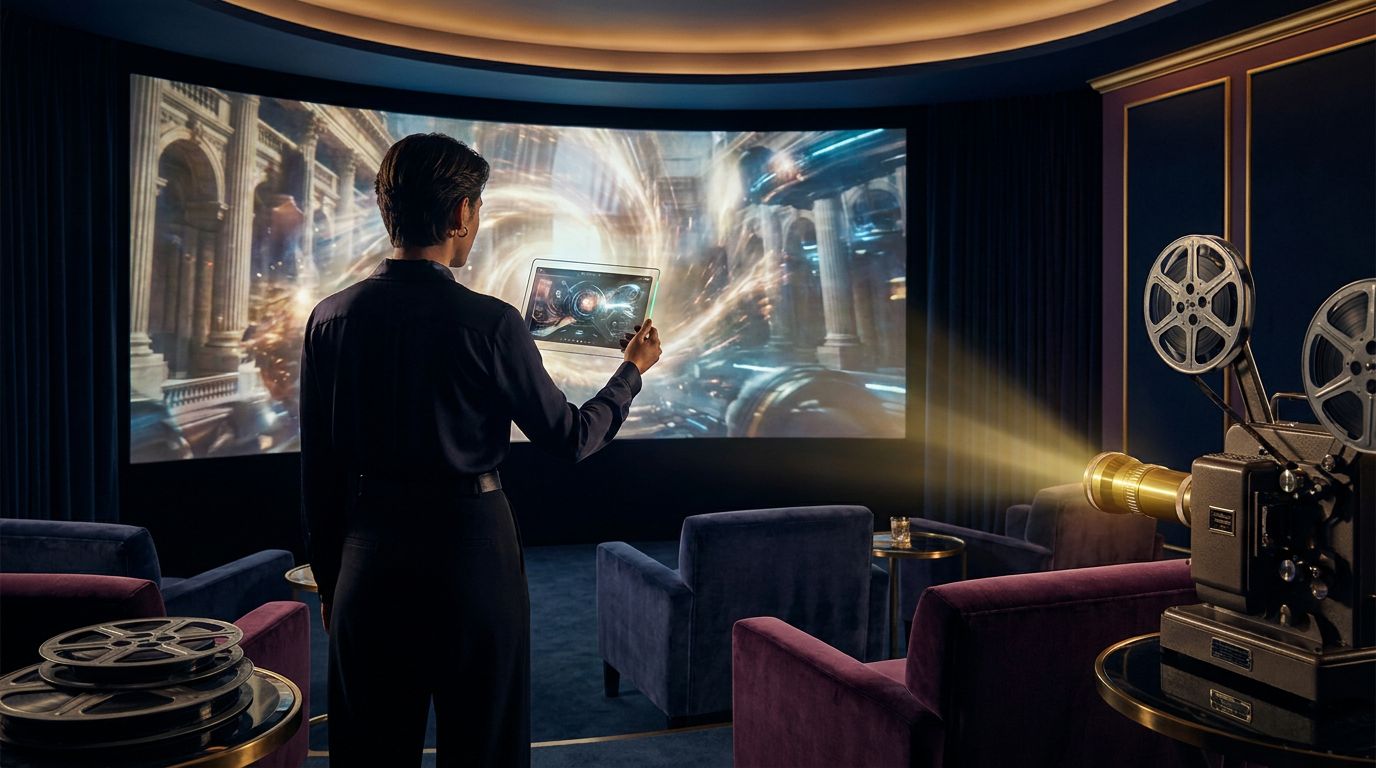
What makes a great AI movie tool?
In 2026, the best AI movie tools are changing the way creators turn creative concepts into polished videos. They help teams move from an initial idea to a visual story faster, with less friction and less wasted production time.
The biggest difference is creative control. A strong tool gives filmmakers enough flexibility to shape scenes, mood, pacing, lighting, and character consistency without sacrificing speed.
Why creators are switching to AI-first production
Traditional production often slows down early decisions because teams need to plan shoots, test ideas, and estimate budgets before production even starts. AI tools remove much of that delay by helping creators prototype visual scenes early and iterate before a full shoot begins.
For independent creators, this opens the door to better experimentation and more flexible storytelling. It allows teams to test more ideas with less cost and more confidence.
What to look for in a platform
- Scene consistency: the tool should maintain visual coherence across multiple shots.
- Prompt flexibility: strong tools understand cinematic tone, framing, and stylistic direction.
- Editing control: the best platforms allow quick refinements instead of starting over.
- Speed: the best AI systems reduce time to concept without sacrificing quality.
Best workflow for creators
Start with a clear story concept, then generate a few key shots or visual references to test your direction. Once the mood and structure are clear, refine the footage, adjust pacing, and add final polish with editing and sound design.
This hybrid approach keeps human creativity at the center while letting AI handle time-consuming visual exploration. The result is a faster and more flexible production workflow.
Final takeaway
The best AI movie tools in 2026 are helping creators move faster, test ideas more often, and build cinematic work with fewer production constraints. The opportunity is not to replace imagination — it is to accelerate it.